
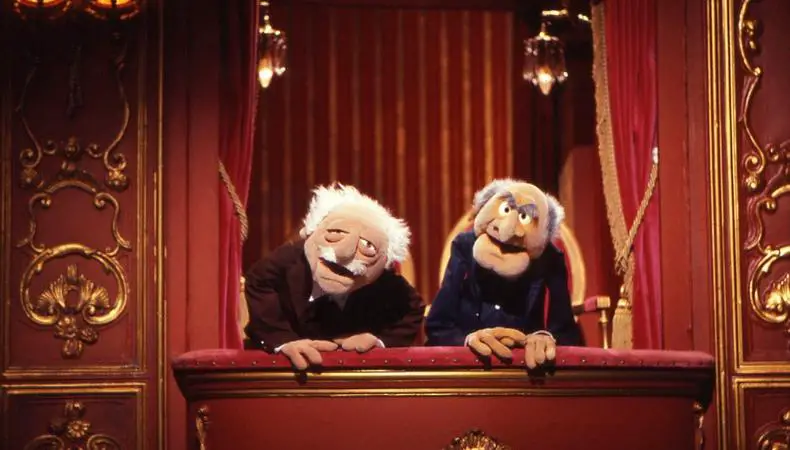
Every comic eventually meets them: the talkers, the interrupters, the wannabe co-stars. Hecklers. And if you’re not ready, they can derail your set fast. But if you know what you’re doing, they become just another opportunity to win the room.
This post gives you practical tools, real tactics, and a few lines you can keep in your back pocket to stay in control without blowing up the show.
What Counts as a Heckler?
Not every interruption is heckling. Here’s how to tell the difference:
Not a Heckler:
- Someone who laughs weird
- Accidental loud whisperer
- Enthusiastic but not disruptive
Actual Heckler:
- Interrupts punchlines
- Yells unsolicited comments
- Tries to “banter” without invitation
You need to know the difference so you don’t overreact and lose the crowd.
Step 1: Don’t Flinch
The moment someone shouts out, the audience looks to you.
- Stay calm.
- Stay present.
- Don’t rush to clap back.
If it’s light or unintentional, a quick smile and reset can be enough. If it’s persistent, move to the next step.
Step 2: Warn with Humor
Most hecklers want attention. If you can give it to them briefly on your terms, you keep control.
Examples:
- “Thanks for coming to your TED Talk.”
- “Security, we found the understudy.”
- “You’re doing great, but I already have the mic.”
The goal is to make the audience laugh, not punish the heckler.
Step 3: Redirect and Reset
Get back to your set. Don’t linger too long.
Transition lines:
- “Where were we before Jiminy Crickets over here chimed in?”
- “Anyway, back to me pretending my dad loved me.”
Give the audience the sense that the moment is over and you’re in charge again.
Step 4: Know When to Shut It Down
If someone keeps interrupting:
- Ask the host or staff for backup
- Address it directly but professionally: “Hey, I want everyone to have a good time, and I can’t do that if I’m playing tug-of-war with the mic.”
You’re not a bouncer, but you don’t have to let the show fall apart.
Bonus: When the Room Turns With You
Sometimes shutting down a heckler gets your biggest laugh of the night. That’s fine. But keep this in mind:
- Don’t get mean unless they go first
- Don’t milk it too long
- Don’t let it throw off your timing
Use it as a highlight, not a crutch.
Practice This Weekly
In your next few sets:
- Expect someone to talk back—even if they don’t
- Have 1–2 lines memorized for quick shutdowns
- Use a voice memo or video to review how you handled it
With reps, you’ll start feeling bulletproof.
Final Thoughts
You don’t need to win every exchange. You just need to win back the room. Stay in control, stay funny, and always steer it back to the bit.
Want to get stronger at reading and engaging audiences? Check out: The Complete Crowdwork Playbook next.